Dry Rot Repair in San Jose
Handyman service · San Jose & the South Bay
Dry rot spreads quietly through trim, siding, decks, and framing until something gives. We find how far it goes, cut out the damage, and rebuild with sound wood — sealed and painted to stop it coming back.
What we handle
- Rot inspection and moisture tracing
- Trim, fascia and siding replacement
- Deck board and railing repair
- Door and window frame rebuilds
- Priming, sealing and paint matching
- Preventive caulking and drainage fixes
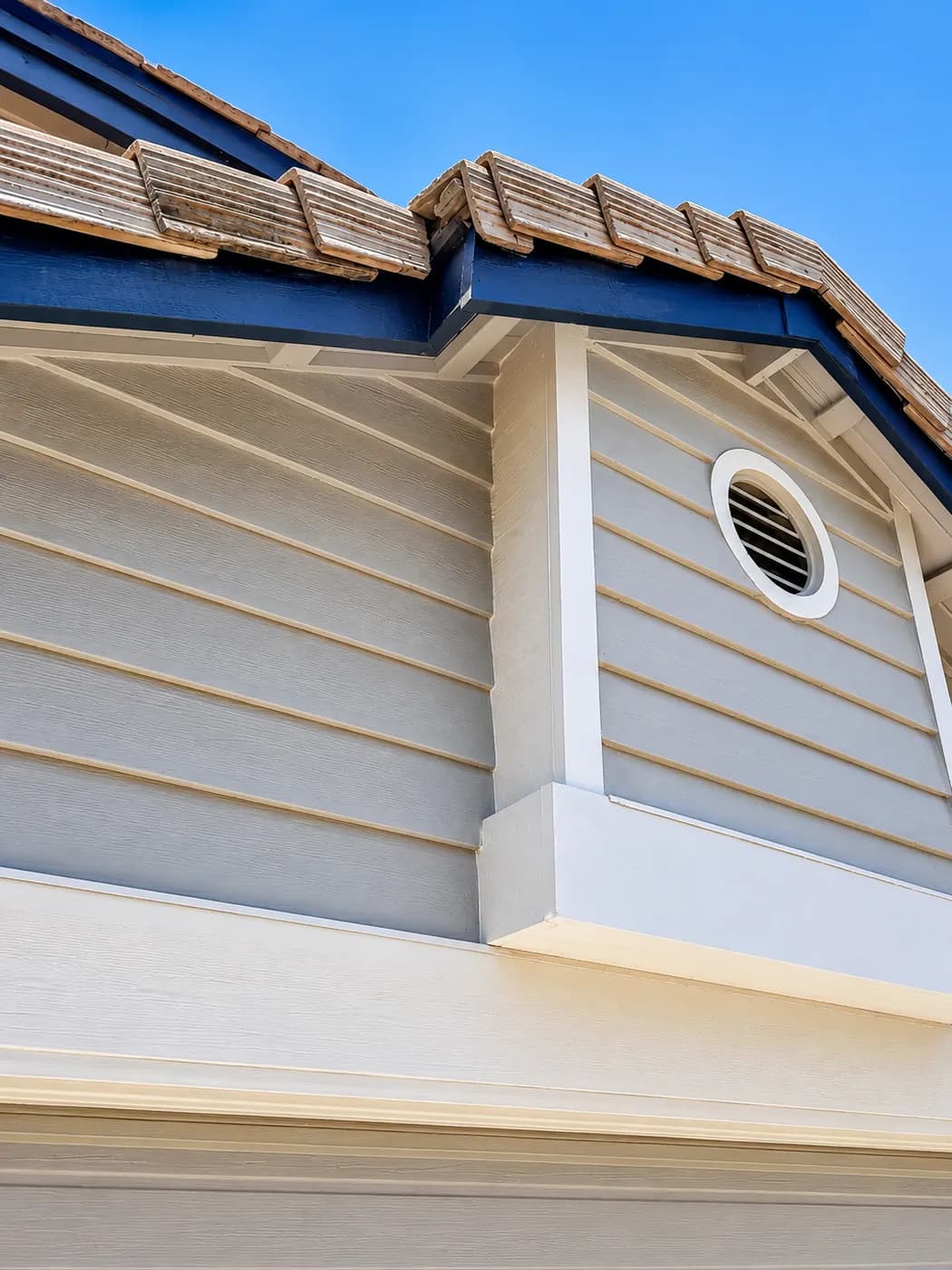
Dry rot is a fungus, and it only eats wet wood — so a repair that ignores the moisture source isn't a repair, it's a countdown. Good work starts with a probe and a trace: find where water is getting in, then cut back past the visible damage to bright, solid wood, because rot runs farther than it shows. Replacement lumber gets primed on every face, end grain gets sealed, and the joints that let water in the first time get flashed or caulked properly. The cheap version — auto-body filler smeared over soft wood and a coat of paint — looks fine for a season and fails the next, usually after the damage has spread into whatever the rotted piece was attached to.
The South Bay's climate is practically designed for hidden rot. Eight dry months keep everything looking fine, then winter's atmospheric-river storms load fascia boards, window sills and deck connections with water. Sun-baked south and west walls fail first. UV kills the paint film, then the rain gets in. On 1960s–70s ranch homes we find it in fascia behind clogged gutters, original T1-11 siding near grade, and window trim that hasn't been caulked in decades. Blossom Valley's stucco tract homes earn extra attention where wood meets stucco: window trim, garage-door jambs and eave fascia. And on the larger Morgan Hill, San Martin and Gilroy lots, irrigation is the quiet culprit — sprinklers that hit siding, fence lines or deck posts twice a day do more damage than any storm.
We handle localized dry rot repair — trim, fascia, siding, sills, deck boards and railings — the scope where cutting out damage and rebuilding it makes sense as a handyman job. You get a firm price after we've probed the area and know how deep it goes, not a guess from the curb. If probing reveals structural damage — beams, joists, posts carrying load, framing behind the wall — we stop, show you exactly what we found, and refer you to a licensed contractor rather than patching over a structural problem. Repairs get primed, sealed and paint-matched so they disappear, and we fix the water source — the gutter, the caulk joint, the sprinkler head — because that's the part that keeps it from coming back.
How we approach dry rot repair
- 1We probe the suspect area and trace where the moisture is coming from.
- 2You get a firm price for the full repair scope before any cutting starts.
- 3Rotted wood is cut out past the damage, back to solid material.
- 4New wood goes in primed and sealed, then gets painted to match.
- 5We correct the water source — caulk, flashing, gutter or sprinkler — so the rot doesn't return.
Typical cost: $300 – $1,000. See the full pricing guide — every job gets a firm quote before work begins.
More dry rot repair projects
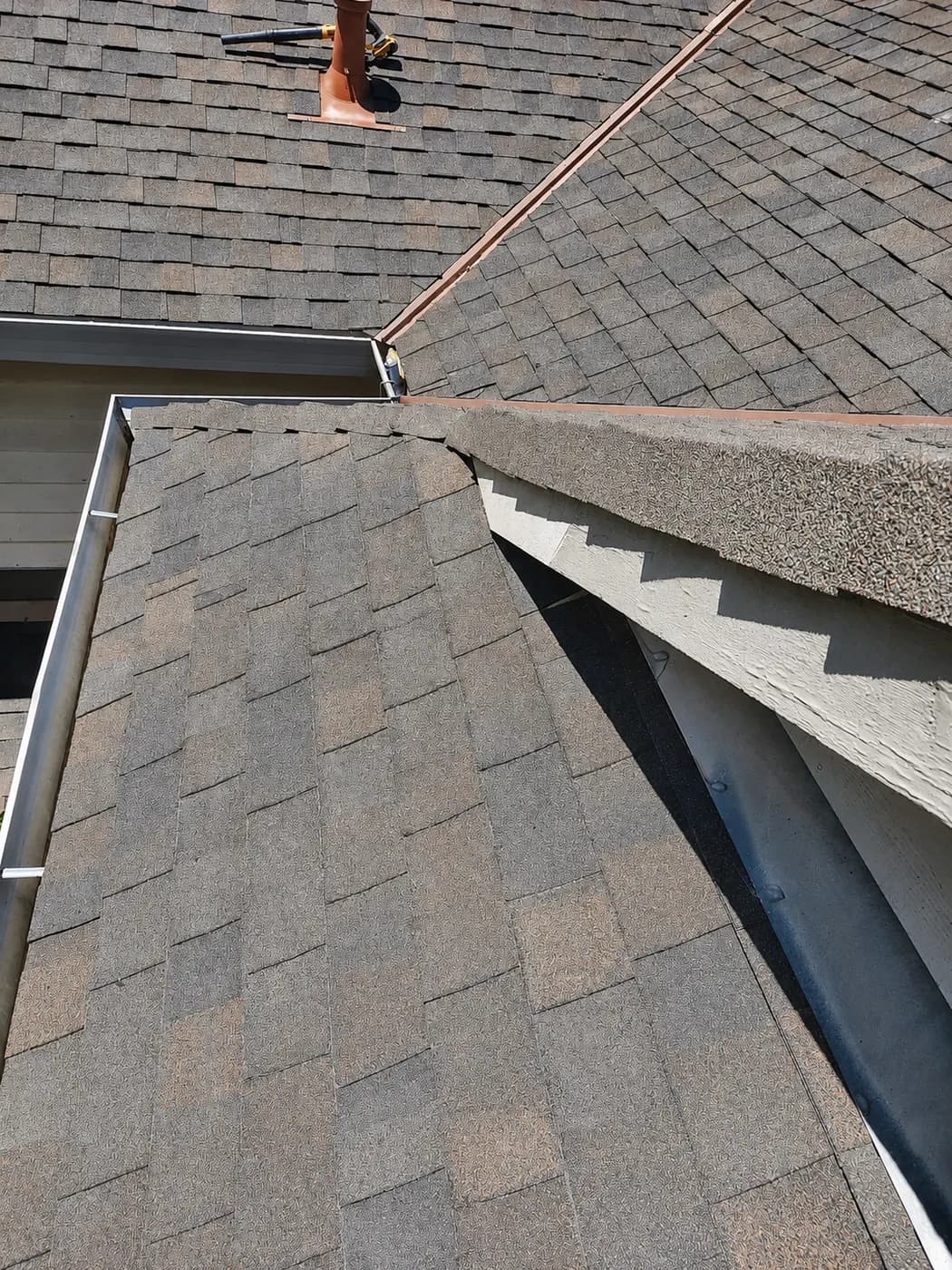
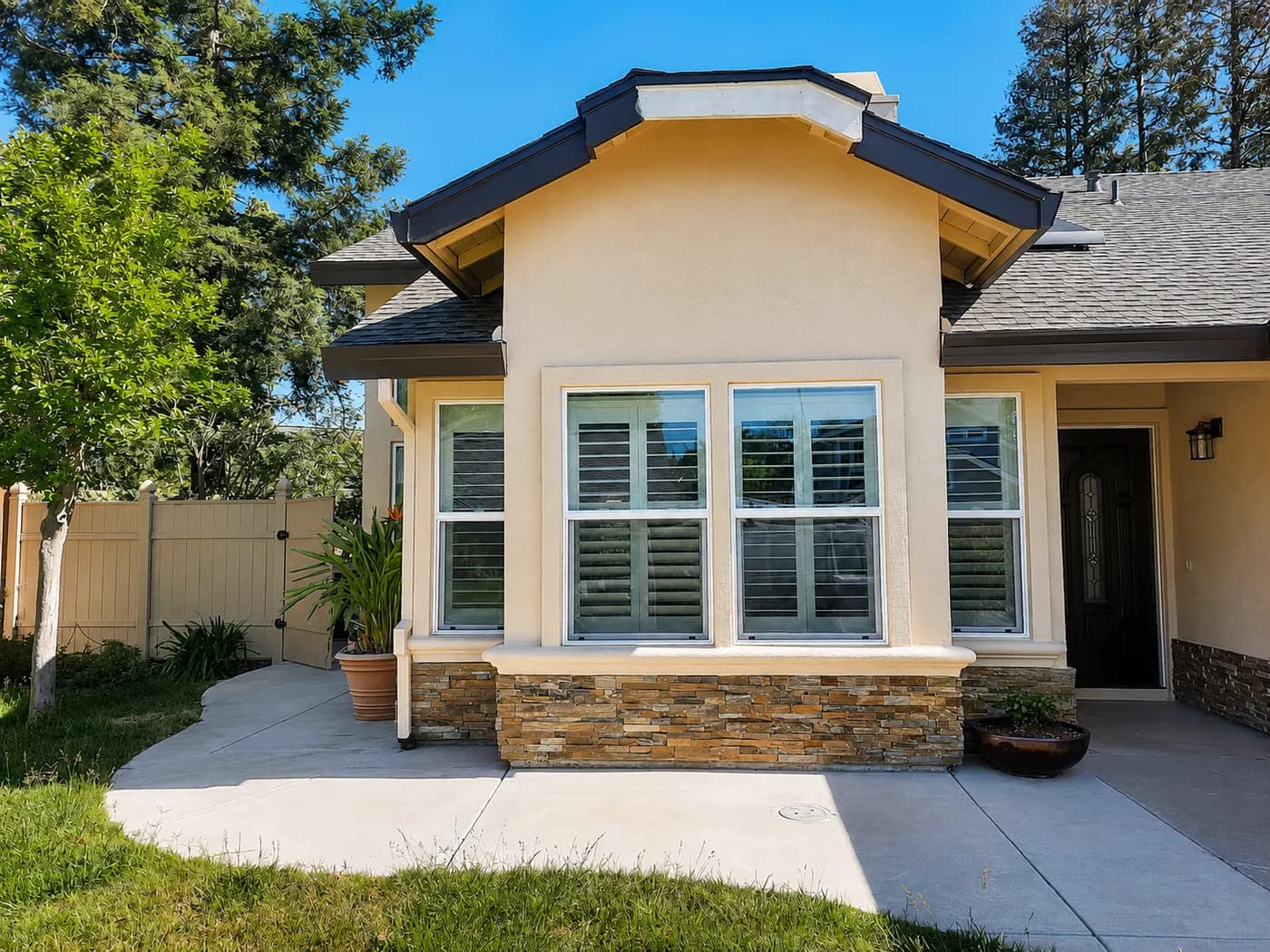
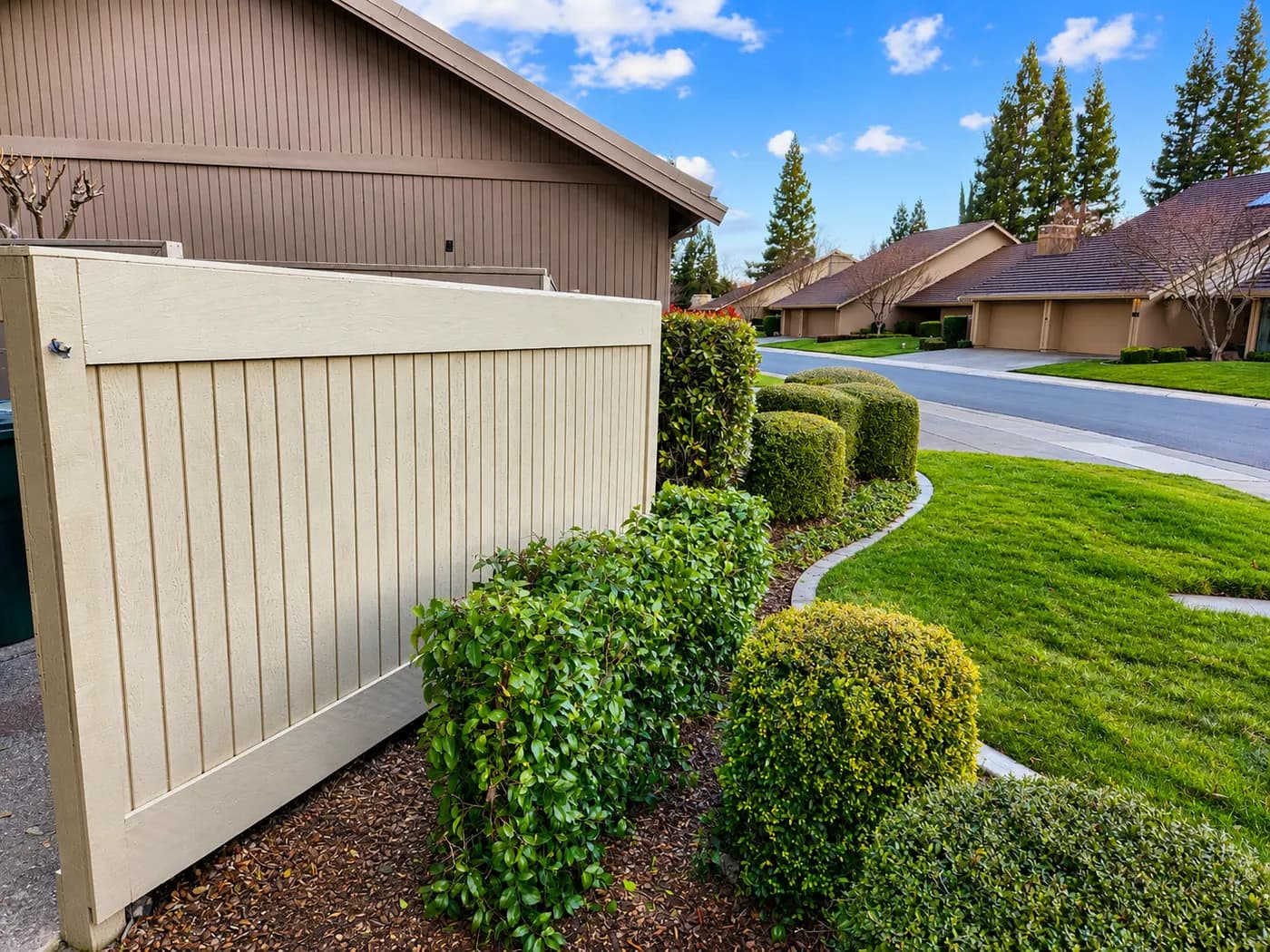
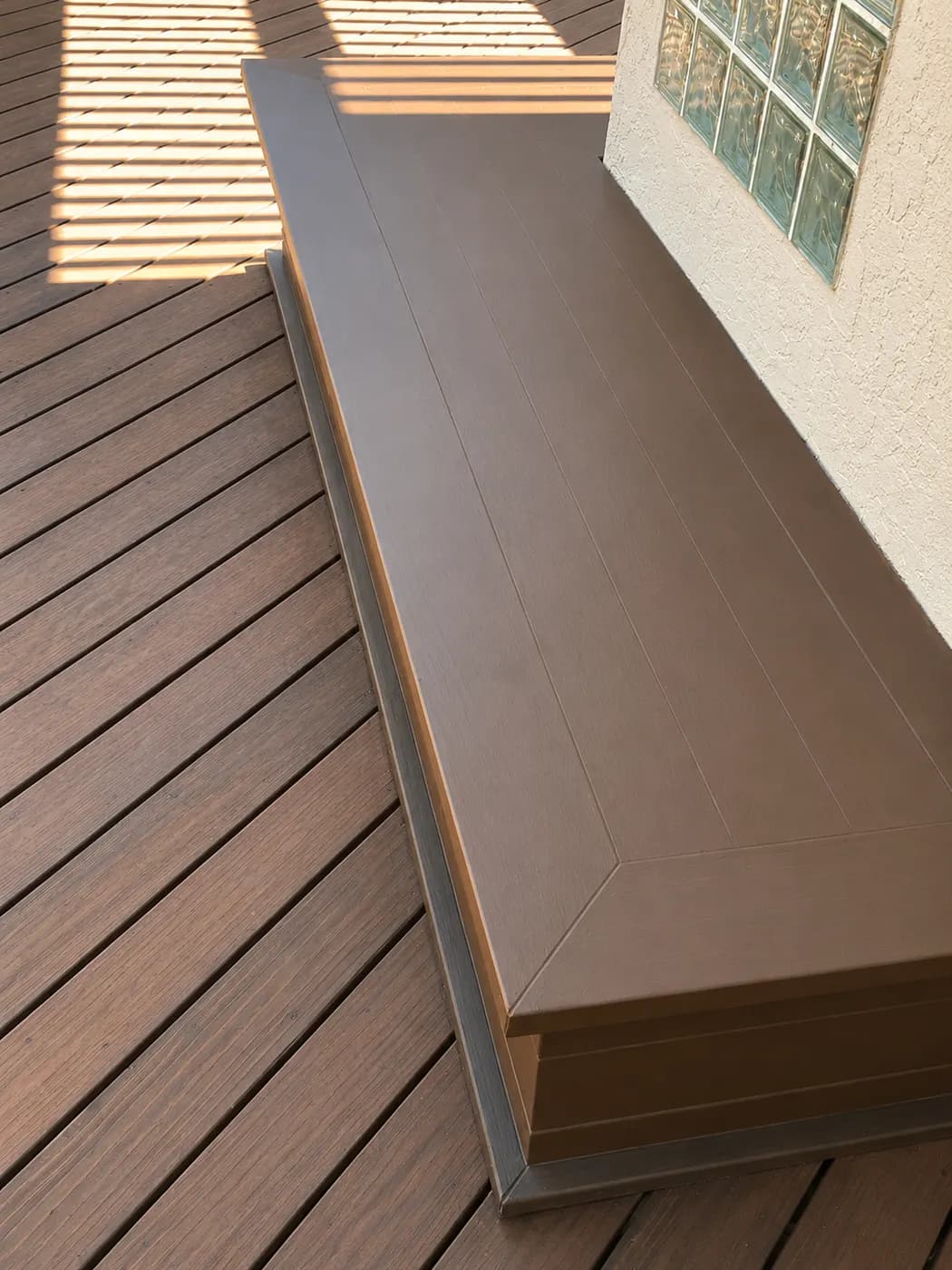
Dry Rot Repairacross San Jose & the South Bay
Dry Rot Repair — common questions
- How do you know how far the rot actually goes?
- We probe. A screwdriver or awl tells the truth paint hides — solid wood resists, rotted wood gives. We test well past the visible damage in every direction before quoting, because rot spreads along the grain ahead of what you can see. That's why our price is set after probing, not from a photo of the surface.
- Can't you just fill it with epoxy instead of replacing the wood?
- Sometimes — epoxy consolidation is legitimate for small, cosmetic spots on wood that's otherwise sound and hard to replace, like a window sill detail. But filler over active rot fails fast. If the wood is soft through, or the moisture source is still live, replacement is cheaper than doing the same repair twice.
- What happens if you find structural damage?
- We stop and show you. If rot has reached beams, posts, joists or load-bearing framing, that's beyond handyman repair scope and needs a licensed contractor — we'll say so plainly, and you'll have photos of exactly what we found. We'd rather refer a job out than bury a structural problem behind fresh trim.
- Will the dry rot come back after you repair it?
- Not if the water source is fixed — and fixing it is part of every repair we do. Rot fungus needs sustained moisture; dry wood doesn't rot. We seal end grain, prime all faces, correct the caulking, flashing or sprinkler that caused it, and the repair should outlast the boards around it.
Need dry rot repair done right?
Tell us what needs doing and we'll get you a clear estimate.